PPF vs ceramic coating — which one does your EV actually need?
They solve different problems. Paint protection film is a physical urethane layer that absorbs stone chips and scratches. Ceramic coating is a chemical layer that blocks UV, resists chemicals and makes washing safer and faster — but it will not stop a stone chip. High-kilometre cars want film on the front; every Queensland car benefits from coating.
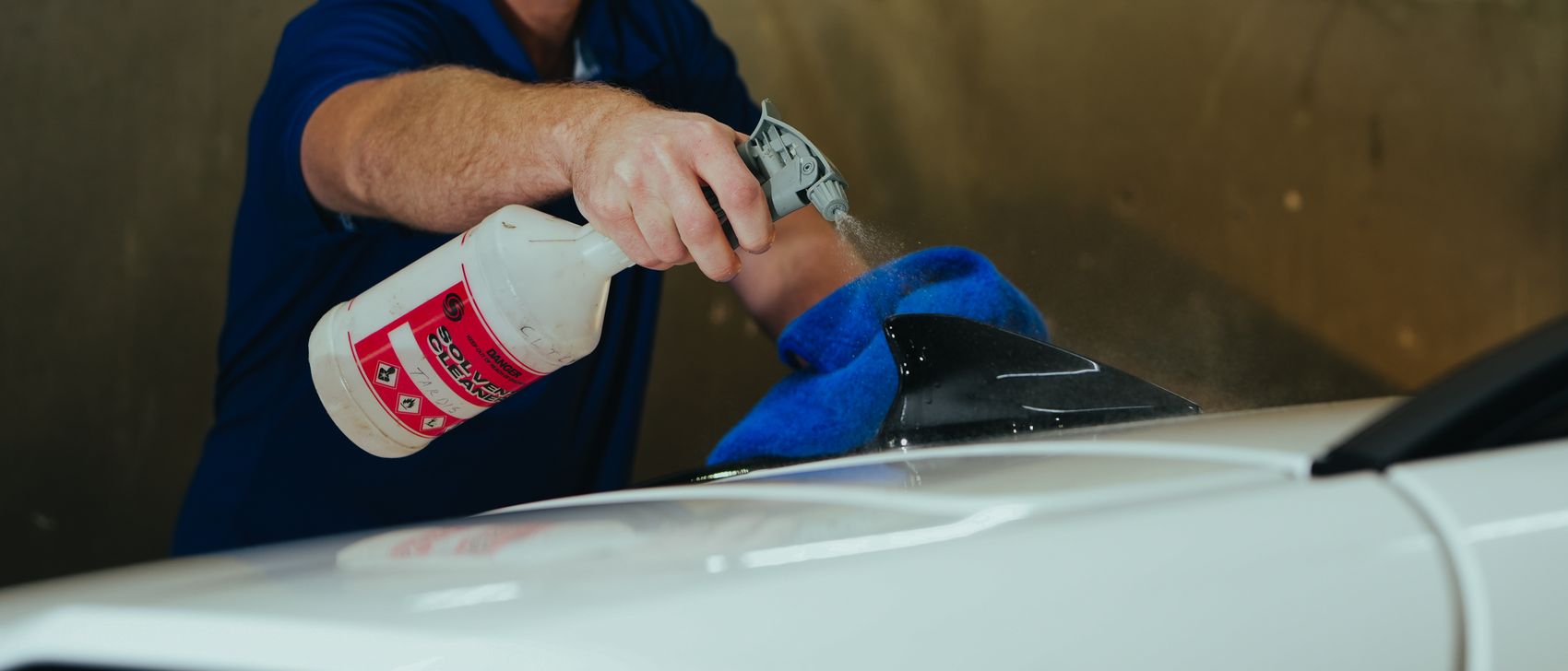
This is the most-asked comparison in paint protection, and most answers are written by shops that only sell one of the two. We install both, so we have no side to take — just an honest map of what each layer does, what it costs, and the combinations that make sense for how you drive.
What does ceramic coating actually do?
A professional ceramic coating chemically bonds to your clear coat and cures into a hard, glossy, hydrophobic layer. It blocks UV that dulls paint, resists bird droppings, bat residue and road chemicals, stops water spotting, and makes contamination rinse off instead of grinding in during washes.
In Brisbane the UV argument alone carries the decision for most owners. Queensland sun visibly ages unprotected clear coat within a couple of summers, and an EV's resale value rides heavily on presentation.
The honest part most shops skip: a coating is one to ten microns thick. The "9H" figure on the bottle is a pencil-hardness test, not armour. It will shrug off light swirl-inducing friction — it will not stop a rock at 110 km/h.
What does paint protection film actually do?
PPF is a self-healing urethane film around 150–200 microns thick — physical armour. It absorbs stone chips, road debris, scuffs and scratches that would cut through any coating. Quality film heals light swirls with heat and lasts five to ten years before replacement.
Film is what protects the impact zones: front bumper, bonnet leading edge, guards, mirrors, sill sections behind the wheels. That is why our entry PPF package is called the Highway pack — it armours exactly the surfaces the M1 sandblasts.
Does ceramic coating stop stone chips?
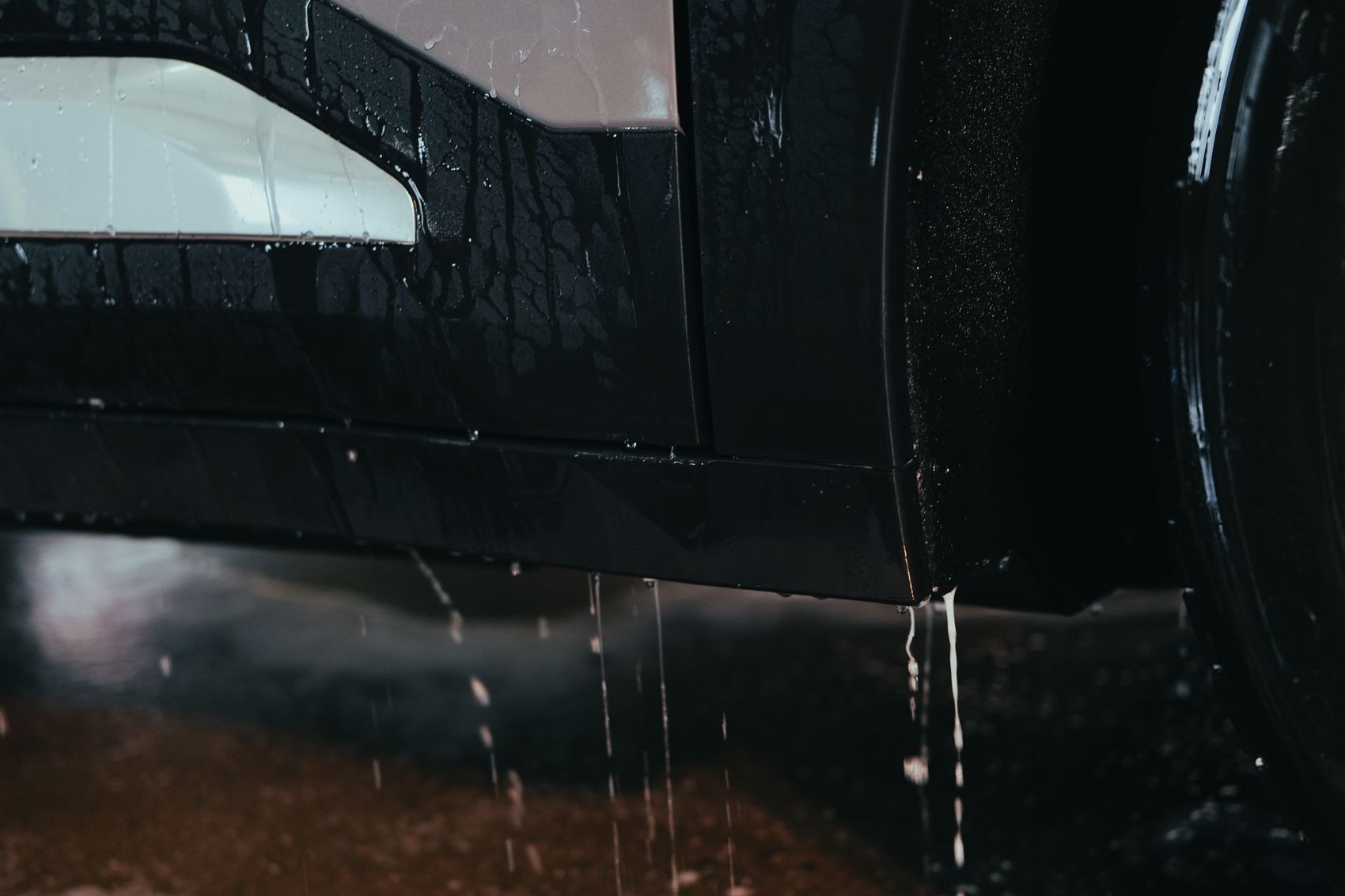
No. No ceramic coating on the market prevents stone chips — the layer is thousands of times thinner than the film designed for that job. Any shop that sells coating as chip protection is selling the wrong product. Chips are a film problem; UV, chemicals and wash damage are a coating problem.
What do PPF and ceramic coating cost in Brisbane?
At EV Auto Specialist, ceramic coating runs from $700 to about $2,360 depending on package and vehicle size. PPF runs from $1,290 for the high-impact front zones to $6,490 for full body. Both prices appear exactly, sized to your model, in the instant quote.
For context across the wider market: Australian installers typically charge $2,500–$2,850 for a full front and $4,500–$7,000+ for full body, with premium metros higher again. Coating packages across Brisbane commonly run $900–$2,000 plus correction.
| Protection | What it covers | Our pricing |
|---|---|---|
| Ceramic coating | Whole car — UV, chemical, wash protection + gloss | from $700 |
| PPF Highway pack | Bumper, bonnet edge, guards, mirrors | from $1,290 |
| PPF Front package | Full bonnet, bumper, guards, mirrors, lights | from $2,390 |
| PPF Full body | Every painted panel | from $6,490 |
| Film + coating combo | PPF impact zones, ceramic over everything | priced in the quote |
Should I get both PPF and ceramic coating?
If the budget allows, yes — they stack. The standard professional build is film on the impact zones first, then ceramic coating over the entire car including the film. The coating keeps the film clean, hydrophobic and UV-protected; the film handles what the coating cannot.
On a new EV this combination is delivery-day insurance: the car is chipped by nothing on the highway and aged by nothing in the sun, and every wash afterwards is faster and safer.
Which should EV owners prioritise if choosing one?
Match the layer to the damage you will actually accumulate. Mostly urban driving, parked outside, kept 3+ years: ceramic coating first — UV and wash damage are your enemies. Daily highway kilometres or a soft-painted marque like Tesla: front-end PPF first, because chips are inevitable and unrepairable by coating.
Tesla deserves its own note: detailers consistently measure Tesla factory paint thinner and softer than legacy marques, which shifts the maths toward film on the front. We wrote a full guide on that below.
Can you ceramic coat over PPF or a wrap?
Yes — and it is best practice. Coating over film adds hydrophobics and UV resistance, keeps self-healing film performing longer, and gives the whole car one consistent, easy-wash surface. We coat over our own film installs and over sound existing film or vinyl.
Quick answers
How long does each option last?
Our ceramic systems carry 5-year to lifetime Endurance warranties depending on package — nothing to book, claims lodged online with just your VIN. Quality TPU film runs five to ten years. Cheap PVC-based film can yellow in two to five — yellowing means the film has reached end of life.
Can PPF be removed without damaging paint?
Yes — professionally removed quality film comes off factory paint cleanly. The caveat is resprayed panels, where the respray's adhesion is the weak point. On factory EV paint, removal is routine.
Does PPF or coating void the manufacturer warranty?
No — both are cosmetic treatments. On EVs the real requirement is workmanship: sensor and camera zones mapped before work starts, which is standard process for an EV-only team.
Is dealer-offered "paint protection" the same thing?
Almost never. Dealer packages are typically basic sealants at a heavy margin, applied on the delivery line. A professional-grade coating with measured paint correction outperforms them at similar or lower cost — CHOICE has made this point for years.
Fixed, itemised and held for 14 days — on screen and in your texts, one mobile number from now.