Does Tesla paint really need protecting?
More than most. Detailers consistently measure Tesla factory paint at roughly 3.5–4.5 mils total film build, against 5–7 mils on most legacy European marques — and it marks noticeably easily. Thin, soft paint plus Queensland UV and highway stone-peppering is exactly the combination paint protection exists for.
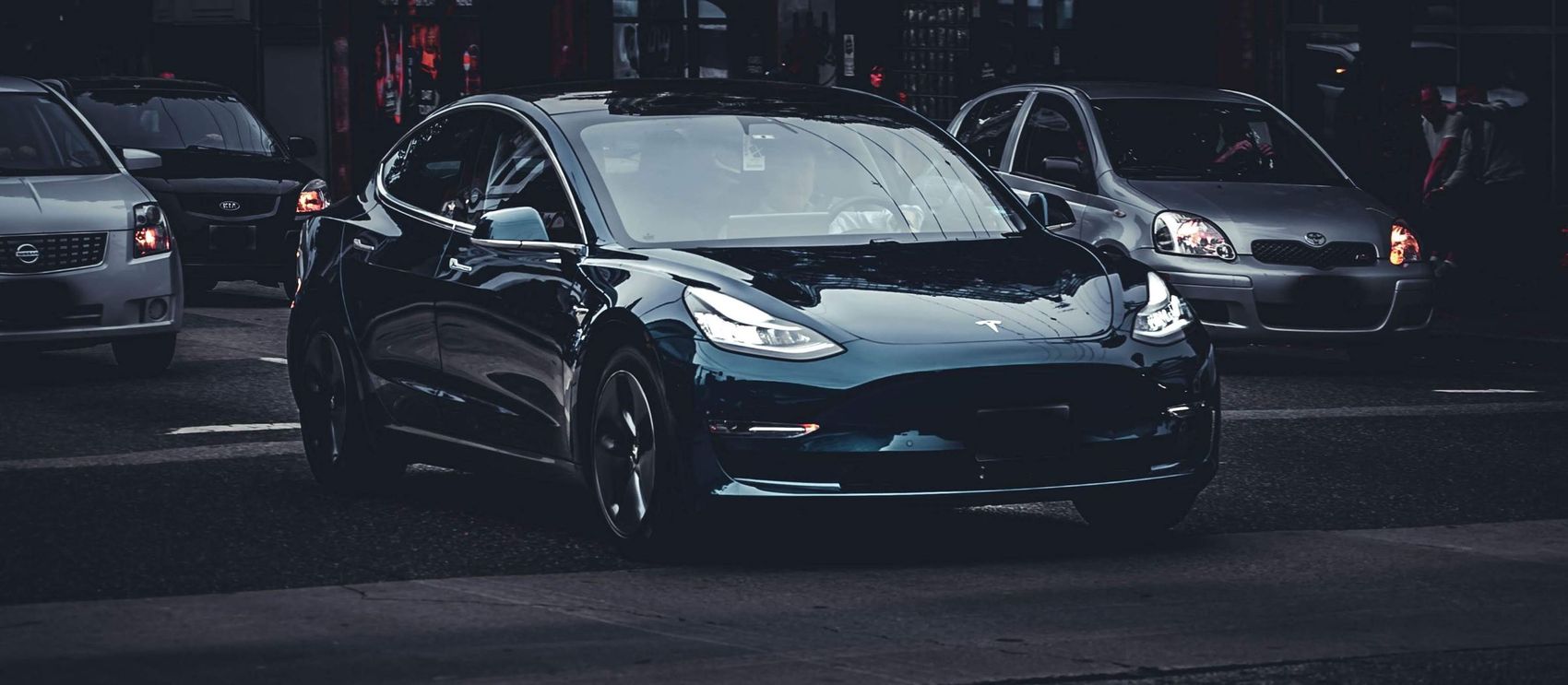
Tesla builds a brilliant car and a famously delicate finish. J.D. Power's initial-quality studies have ranked Tesla at or near the bottom for paint and exterior finish, and owner forums document swirling, chipping and water-spot etching earlier in the car's life than owners expect.
None of that is a reason to avoid the car. It is a reason to treat protection as part of the purchase — the way you would floor mats on a white carpet. Here is what the paint measurements actually say, and what to do in what order.
How thin is Tesla paint compared with other brands?
Independent detailers with paint-depth gauges consistently measure Model 3 and Model Y paint around 3.5–4.5 mils (roughly 90–115 microns) total, where most German marques measure 5–7 mils. That is not an official Tesla specification — it is what the gauge says on car after car.
Thickness matters because every wash, correction and UV season spends a little of the clear coat. A thinner starting budget means less margin for swirl removal over the car's life and faster visible ageing when the surface is left bare.
The softness compounds it: soft clear coat picks up wash marring more easily, which is why a black Model 3 washed casually for a year looks like it has done a decade.
What actually damages Tesla paint in Brisbane?
Three things do most of the damage: UV — Queensland sun dulls and chalks unprotected clear coat within a few summers; highway debris — the M1 and Gateway pepper the front end with stone chips; and washing — soft paint plus brush washes or dirty cloths equals swirls within months.
- UV exposure — the highest-index sun in the country, working on the thinnest common clear coat.
- Stone chips — instant, permanent, and concentrated on bumper, bonnet edge and guards.
- Wash marring — soft paint magnifies every careless wash; automatic brush washes are the fastest route to a swirled Tesla.
- Contaminant etching — bird droppings, bat residue and tree sap bite into clear coat quickly in summer heat.
Should a Tesla get PPF or ceramic coating first?
If you drive highway kilometres, film first: PPF on the bumper, bonnet edge, guards and mirrors is the only thing that stops chips, and Tesla front ends collect them. Then ceramic coating over the whole car — film included — for UV, chemistry and wash protection. Urban-only cars can justify coating alone.
This is the same order we recommend in our full PPF-versus-ceramic guide, applied to a marque where the case is stronger than average. The front of a highway-driven Model Y is not an "if" — it is a "when".
What does Tesla paint protection cost in Brisbane?
At EV Auto Specialist, Model 3 ceramic packages run from $790 to $1,790 and Model Y from $910 to $2,060. Front-end PPF for a Model Y runs from $1,480 for the Highway pack. Exact fixed prices for your model appear in the instant quote in about 60 seconds.
| Package | Model 3 | Model Y |
|---|---|---|
| Ceramic Essentials | from $790 | from $910 |
| Ceramic Graphene Ultimate | from $1,790 | from $2,060 |
| PPF Highway pack | from $1,290 | from $1,480 |
| Signal-safe ceramic tint (full car) | from $650 | from $730 |
Will coatings or film affect Autopilot, Sentry Mode or sensors?
Not when applied properly. Every camera, radar and ultrasonic zone is mapped before work begins and coatings and film are kept clear of them. Autopilot, Sentry Mode, parking sensors and the phone key behave exactly as they did from the factory — this is routine process for an EV-only team.
How should you wash a Tesla to protect the paint?
Never through a brush car wash. Hand wash with a pH-neutral shampoo, two buckets and a clean microfibre mitt, or use touchless washing. On a coated car, contamination releases with far less friction — which is most of how a coating keeps soft paint swirl-free over years.
Use Car Wash Mode when washing (it closes everything and disables the wipers), and keep high-pressure nozzles about 30 cm off sensors, seals and the charge-port door.
Quick answers
Is the thin-paint claim official?
No — Tesla publishes no paint-thickness spec. The figures come from detailers measuring real cars with paint-depth gauges, repeated across markets and years, alongside J.D. Power ranking Tesla last for paint quality. We present it as measured evidence, not OEM data.
Which Tesla colours need protection most?
All of them age in QLD sun, but black and darker multi-coats show swirling first, and white shows etching and yellowing contrast most. Protection is about the clear coat, which is identical across colours.
Does protection actually help resale?
Presentation is a large share of a used EV's price, and a coated, chip-free car photographs and inspects visibly better. A four-figure protection spend defends a five-figure resale figure.
Can you fix paint that is already swirled?
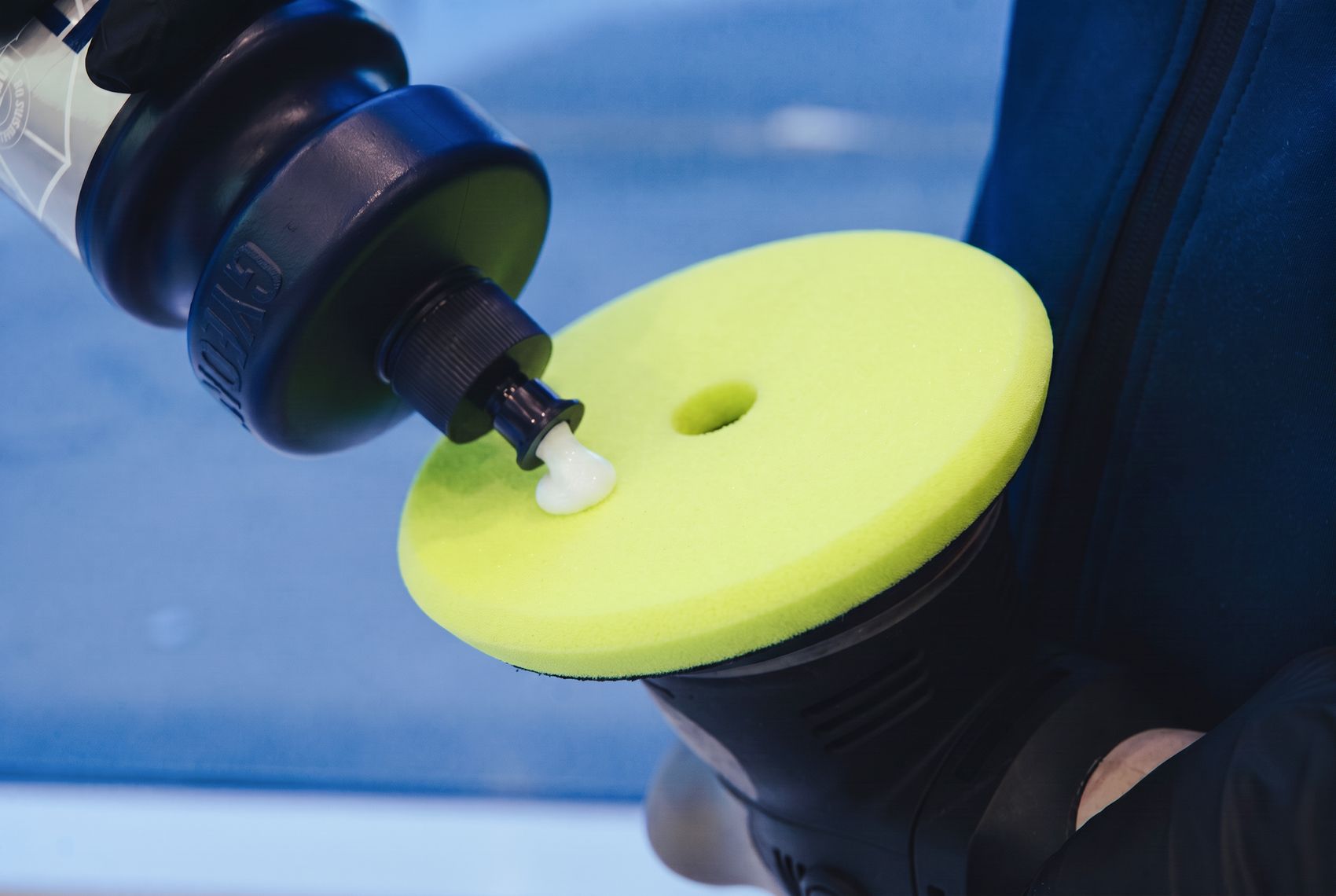
Yes — machine paint correction is stage one of every ceramic package. On thin Tesla clear coat the case for correcting once and then protecting is stronger than anywhere: you do not want to be correcting annually.
Fixed, itemised and held for 14 days — on screen and in your texts, one mobile number from now.