How much does it cost to install an EV charger at home in Brisbane?
A typical Brisbane home EV charger installation lands between $1,650 and $2,850 including hardware, a licensed electrician and the compliance work. Simple installs near the switchboard sit at the bottom of that range; long cable runs, three-phase hardware or switchboard upgrades push it up.
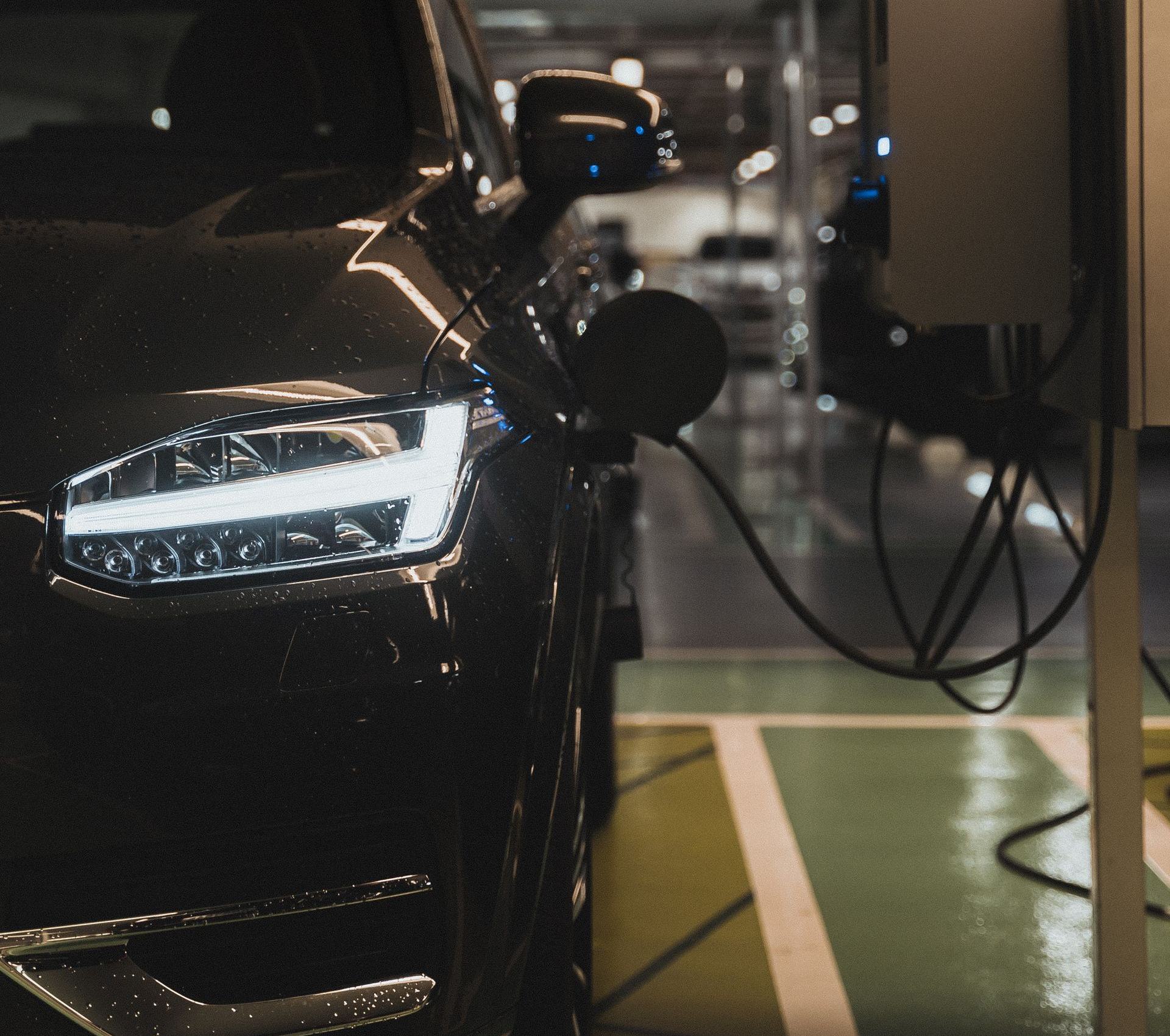
Charger pricing is notoriously "from $999*" with the asterisk doing heavy lifting. This guide breaks down what the real number is made of — hardware, electrical work, and the Queensland compliance steps — so nothing at the invoice surprises you. Our own packages price the call-out for your actual suburb on screen before you book.
What makes up the installed price?
Three parts: the charger itself ($750–$1,500 for quality 7kW hardware, more for three-phase), the electrical work (a dedicated circuit from your switchboard, typically $500–$1,000 for a straightforward run), and compliance — safety switch protection, testing and the certificate your electrician must issue.
Distance from the switchboard is the single biggest variable — copper and labour scale with every metre. If your board is on the opposite side of the house from the garage, that is the quote question that matters.
| Scenario | Typical Brisbane cost |
|---|---|
| 7kW charger, garage wall near switchboard | $1,650 – $2,000 |
| 7kW with a longer cable run or tight access | $2,000 – $2,500 |
| Solar-smart charger with consumption monitoring | $2,390 – $2,800 |
| Three-phase 22kW-ready hardware | $2,850+ |
| Add: switchboard upgrade if yours is full or dated | $800 – $2,000 |
Do I need an electrician to install an EV charger in Queensland?
Yes — legally. A hard-wired EV charger in Queensland must be installed by a licensed electrician on a dedicated circuit to AS/NZS 3000:2018, with appropriate safety-switch protection, under the Electrical Safety Act 2002 (Qld). You must receive a certificate of test and compliance when it is done.
DIY installation of a wallbox is illegal and uninsurable in Queensland, full stop. Every install we quote includes the licensed electrical work and the paperwork.
What are the Energex rules for home chargers?
In South-East Queensland, chargers drawing more than 20 amps single-phase — which includes nearly every 7kW wallbox — require a connection application to Energex before energisation. Your electrician lodges it. It is routine paperwork, but an installer who skips it leaves you non-compliant.
The charger also needs the right residual-current protection. Many quality wallboxes include built-in DC leakage detection, which changes which RCD type the circuit needs — a detail your electrician confirms per unit. This is exactly the kind of thing that separates an EV-literate install from a generic power-point job.
Energex also offers cheaper EV-friendly tariffs for off-peak overnight charging — worth setting up on install day rather than later.
Can I just charge from a normal power point?
You can — every EV ships with a portable charger that draws about 2kW from a standard outlet, adding roughly 10–12 km of range per hour. That covers a short commute, but a full charge takes 20 to 30 hours. A dedicated 7kW charger is three to four times faster and does not tie up a household circuit.
The granny-cable-only approach usually survives until the first weekend trip or the second EV. The practical difference is coming home at 7pm at 15% and leaving at 7am at 100% — every day, without thinking about it.
Do I need a 22kW charger, or is 7kW enough?
For almost every Brisbane home, 7kW is the right answer. About 90% of houses are single-phase, which caps AC charging near 7.4kW regardless of the wallbox. 7kW adds roughly 40 km of range per hour — around 320 km overnight — and many EVs cap their on-board AC charging at 7–11kW anyway.
Paying for a 22kW unit on a single-phase house buys capability the house cannot deliver and the car may not accept. The money is better spent on solar-smart charging, which routes your excess solar into the battery — the cheapest kilometres available in Queensland.
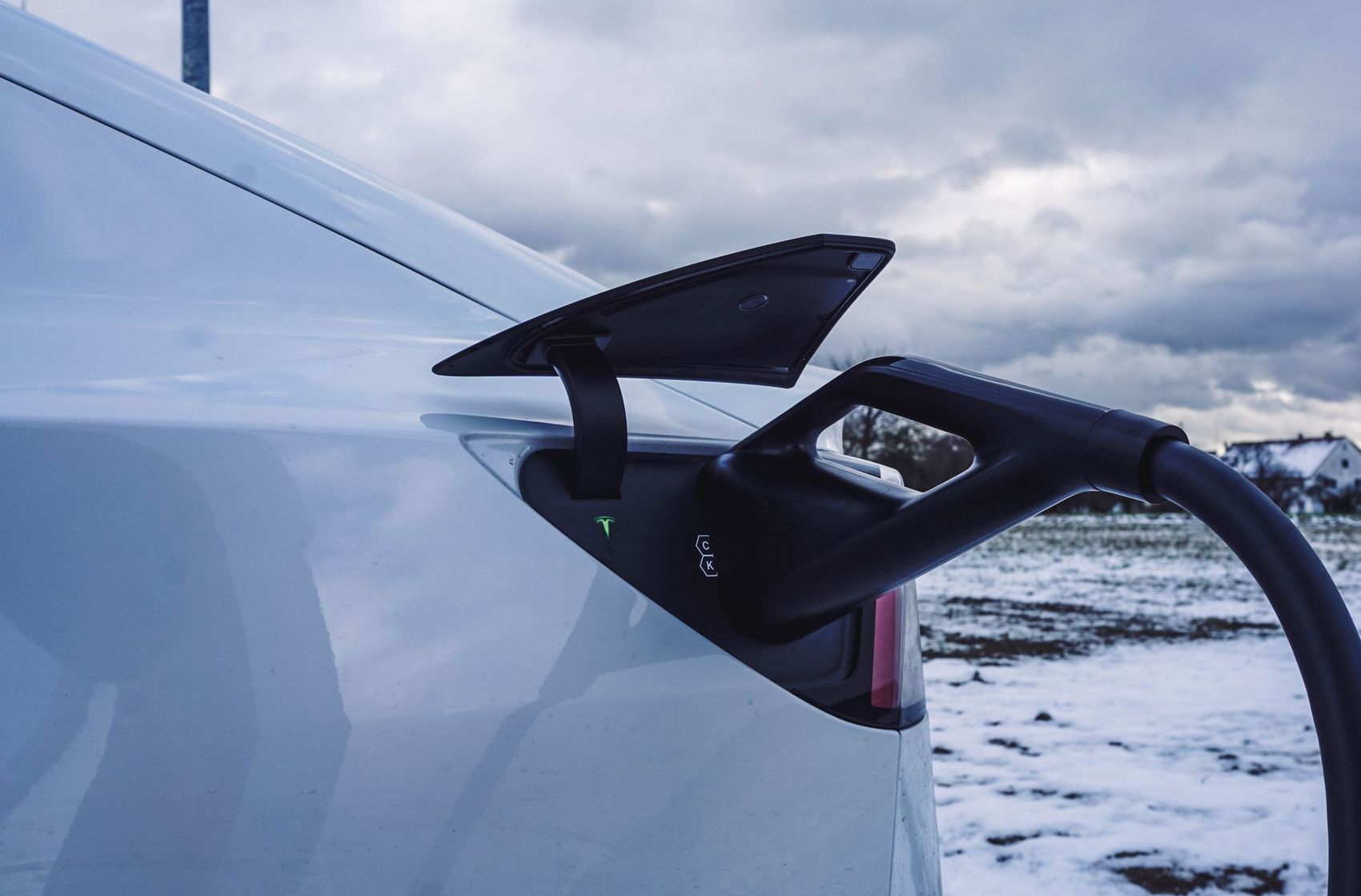
How much cheaper is home charging than petrol?
Charging at home costs roughly $5–7 per 100 km on a flat tariff, against $12–15 per 100 km for petrol — and off-peak EV tariffs around 15–22c/kWh cut it further. Over a typical 15,000 km year that is roughly $500–$900 of electricity against $2,000–$3,000 of fuel.
With solar and a smart charger, daytime kilometres can approach free. Queensland retailers must now also offer free-midday-power style tariffs under the Solar Sharer scheme — a home charger is how an EV actually harvests that.
Will one charger work for two different EV brands?
Yes. Every EV sold new in Australia uses the same Type 2 AC connection — a quality wallbox charges a Tesla, BYD, Zeekr, Polestar or Kia interchangeably. A Tesla Wall Connector also charges other brands. If you are a two-EV household, tell us at quote time and we will size the circuit once.
Quick answers
How long does installation take?
Most installs are half a day. Longer cable runs or switchboard work can extend it to a full day — your quote states it up front.
Where is the cheapest place to put the charger?
As close to the switchboard as daily parking allows. Every metre of cable run adds cost, so a garage wall that shares a side of the house with the board is the sweet spot.
Are there any QLD rebates for home chargers?
There is currently no direct Queensland rebate for charger hardware. Chargers bundled with solar and batteries can fall under state interest-free loan schemes — check the current scheme terms, as they change.
Can I get a charger in an apartment or rental?
Often, yes — with body-corporate or landlord approval and a metering arrangement. It is more paperwork than a house install, not less possible. Ask us and we will scope it honestly.
Fixed, itemised and held for 14 days — on screen and in your texts, one mobile number from now.