Do electric cars actually need servicing?
Yes — less than petrol cars, but not none. An EV has no oil, spark plugs or timing belt, yet tyres, brake fluid, coolant, cabin filters, the 12-volt battery and suspension all still wear. Typical Australian EV servicing runs $300–$600 a year on 12-month or 15,000–20,000 km intervals — roughly half the cost of servicing a petrol car.
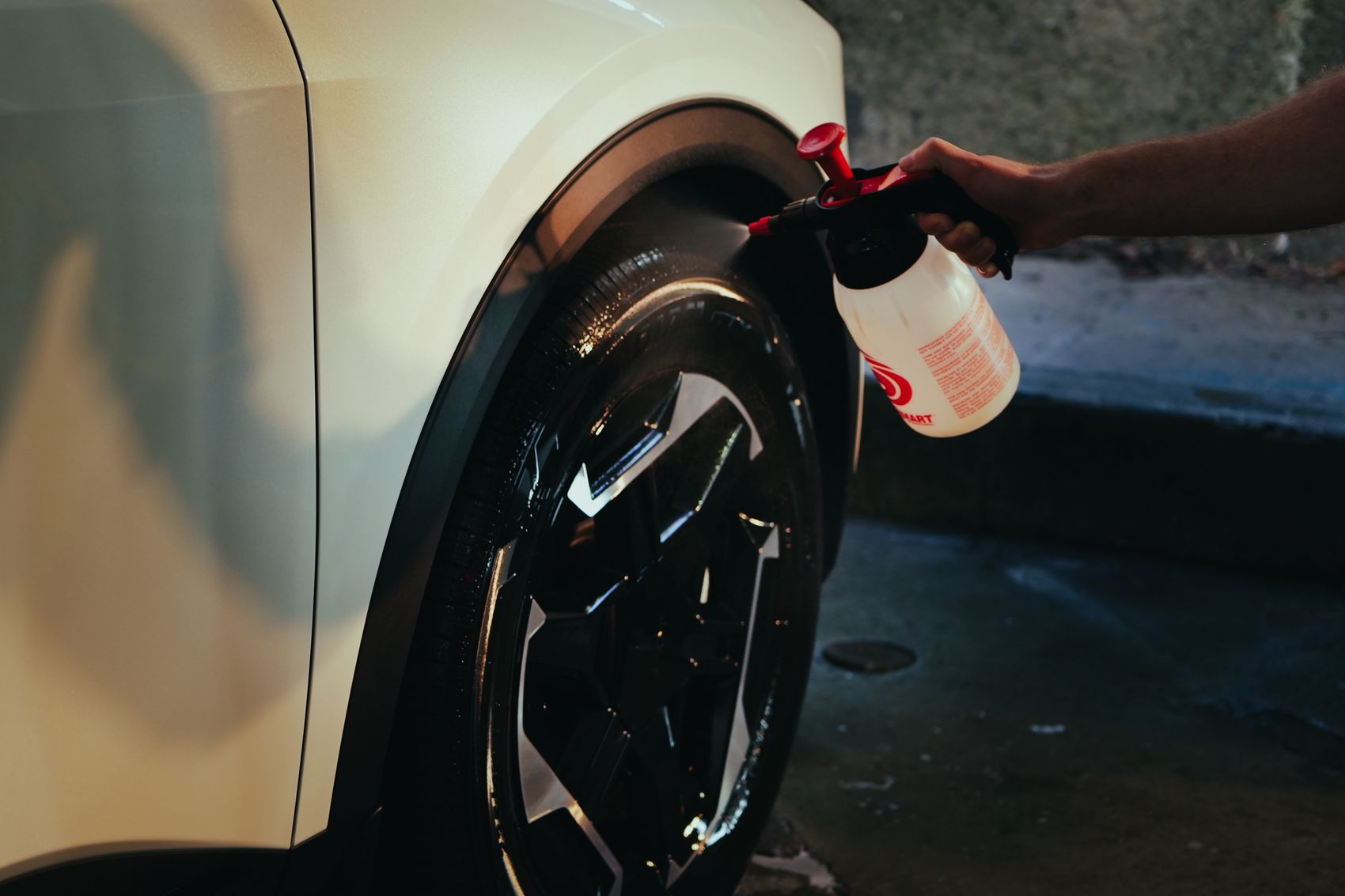
The "EVs need no maintenance" line sold a lot of cars and is about two-thirds true. The engine-related half of a logbook disappears; the car-related half stays — and a couple of items, tyres above all, actually work harder on an EV than they ever did on petrol.
Here is what remains on the schedule, what each marque asks for, and the warranty facts about servicing outside a dealer.
What still needs servicing on an EV?
Tyres and alignment, brake fluid and brake condition, battery coolant, the cabin air filter, the 12-volt battery, suspension and steering, wipers and washers — plus software-level checks of the high-voltage battery's health. What disappears is everything combustion: oil, filters, plugs, belts, exhaust, transmission service.
- Tyres — the big one: EV weight and torque wear them 20–30% faster than petrol equivalents.
- Brake fluid — hygroscopic regardless of drivetrain; checked or changed roughly every two years.
- Brakes themselves — last far longer thanks to regen, but discs can rust and glaze from disuse and need inspection.
- Battery coolant — most EVs liquid-cool the pack; the loop gets checked, and eventually changed.
- Cabin filter — every one to two years; Brisbane pollen and storm-season humidity are hard on them.
- 12-volt battery — still runs the computers, still dies like any car battery.
How much does an EV service cost in Australia?
Typically $300–$600 per visit at yearly or 15,000–20,000 km intervals — against a $400–$800 annual average for comparable petrol SUVs on six-month schedules. Tesla's condition-based approach averages out around $225 a year. Over five years, EV owners commonly save $1,500–$3,000 on servicing alone.
How often does a Tesla need servicing?
Tesla publishes no fixed service schedule — maintenance is condition-based. The standing items: cabin filter every two years, brake fluid health check every two years, air-conditioning service every four, tyre rotation every 10,000 km or when tread difference exceeds 1.5 mm. The car flags the rest itself.
"No schedule" does not mean "no attention" — it moves the responsibility from a logbook to the owner. An annual once-over of tyres, brakes, fluid and the 12-volt battery is cheap insurance on a car this heavy and this quick.
Why do EV tyres wear out so much faster?
Weight and torque. An EV carries several hundred kilograms of battery and delivers full torque from a standstill, wearing tyres 20–30% faster — replacement around 40,000–50,000 km is common, and quality EV-rated rubber runs $300–$1,000 a corner. Rotation and alignment are the cheapest range and safety money you can spend.
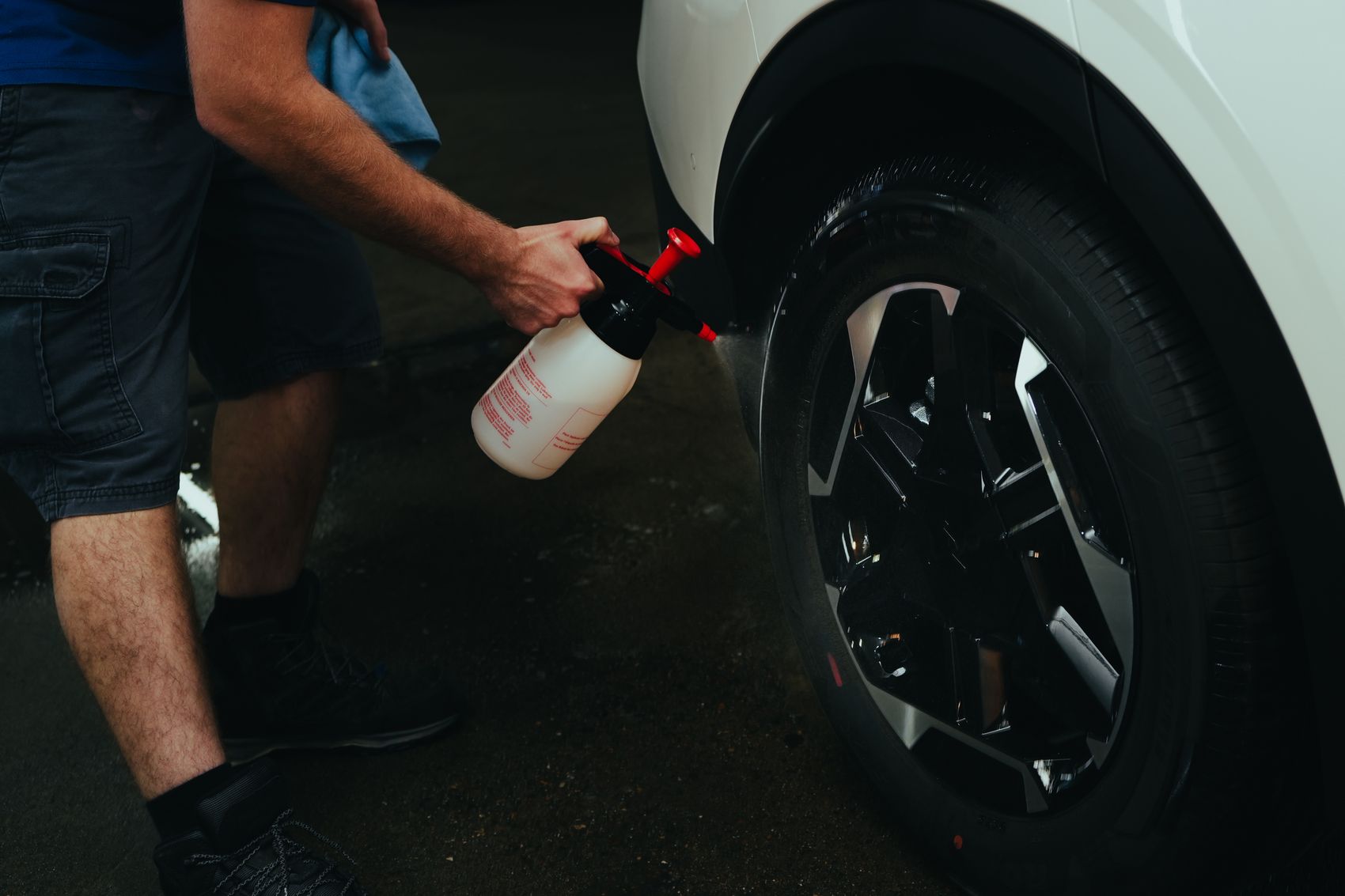
Will servicing outside the dealer void my EV warranty?
No. Under Australian Consumer Law — and the ACCC has said this explicitly — any qualified workshop can perform logbook servicing to the manufacturer's specification without affecting your new-car warranty. What matters is the work matching the logbook and being documented, not the sign above the door.
The genuine caveat is high-voltage work: 400–800-volt systems require specific training and equipment that most general workshops do not carry. The practical answer for EV owners is a specialist — logbook-compliant on the routine items, EV-literate on everything orange-cabled.
How long do EV batteries actually last?
Longer than the fear suggests. Real-world fleet data shows average degradation around 1.8–2.3% a year — a typical pack still holds 85–90% after five years. Australian EVs carry battery warranties of about eight years or 160,000 km to 70% capacity. Heat accelerates ageing, which makes Queensland shade, garaging and sensible charging habits genuinely worthwhile.
Independent battery state-of-health checks — increasingly asked for at resale — run $150–$400 in capital cities. Expect a certified SoH report to become as normal as a roadworthy on used EVs.
Quick answers
When is EV servicing opening at EV Auto Specialist?
Soon — we are building the servicing arm now. Join the waitlist on the servicing page for first-in-line access and launch pricing when bookings open.
Do EV brakes really last longer?
Dramatically — regenerative braking does most daily slowing, so pads commonly last well past 100,000 km. The trade-off is discs that rust and glaze from light use, which is why inspection stays on the schedule.
Does a BYD or Zeekr need dealer servicing to keep the warranty?
No — the same Australian Consumer Law position applies to every marque: logbook servicing by a qualified workshop to spec preserves your warranty. Keep the documentation.
Is there anything I should do between services?
Watch tyre pressures monthly (weight makes EVs sensitive to them), keep the charge port and seals clean, and give the brakes an occasional firm stop from speed on an empty road to keep the discs clean.
Fixed, itemised and held for 14 days — on screen and in your texts, one mobile number from now.